 https://innews.media/uploads/news/2025-08/_innews_8abc3708b21a3f252c571d9c2_o.jpg
The initiatives realised by Azerbaijan transformed geographic limitations to opportunities.
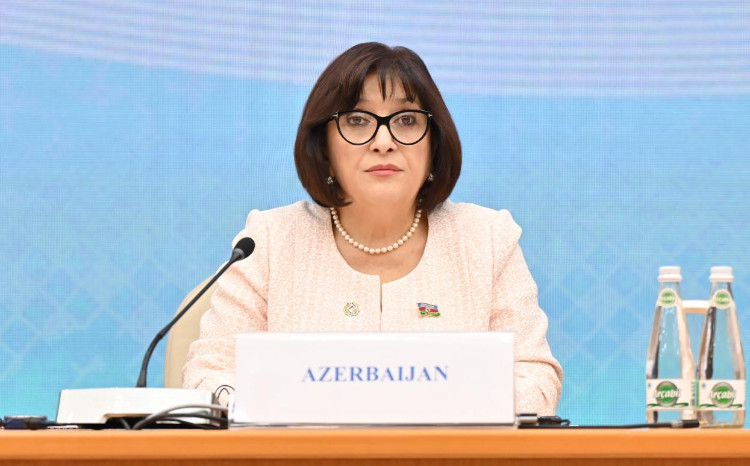
Speaker of the Milli Majlis Sahiba Gafarova voiced this thought at the Inter-Parliamentary Forum held as part of the Third United Nations Conference on Landlocked Developing Countries in the town of Awaza of Turkmenistan on 4 August. She said that the initiatives of Azerbaijan prop regional co-operation and co-ordination as well as provide for more robust ties and trade for the landlocked developing countries.
Speaker Sahiba Gafarova remarked that Azerbaijan had invested billions of dollars over the past years in transport infrastructure including the International Merchant Seaport of Alyat and construction of new motoring roads and railways. Situated on the Trans-Caspian Middle Corridor and the North-South Corridor, Azerbaijan has to date become one of the key transport and logistical hubs in Eurasia.
In her address, the Speaker of the Milli Majlis said also that the Baku-Tbilisi-Kars railway line, the cornerstone of the Middle Corridor, proves the commitment of our country to strengthening regional ties. The current ‘Digital Silk Way’ project, which is a web of fibre-optic cables laid across the Caspian seabed, will promote digital infrastructure progress and digital security efforts.
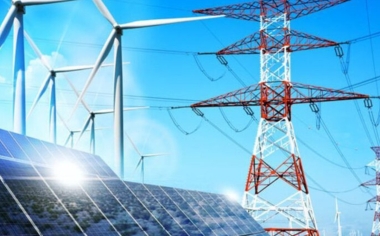
She also announced another important initiative that is being carried into life currently, namely, the green energy development and transmission co-operation amongst Azerbaijan, Kazakhstan and Uzbekistan. According to Speaker Sahiba Gafarova, Azerbaijan, which remains committed to the South-South co-operation concept, is sharing her experience in streamlining and modernising customs operations, digitalisation and infrastructure development with the other landlocked countries thus affording them an opportunity to overcome geographic isolation and partake of collective growth. She emphasised then that our country calls on the international community to propose more reliable and practicable support mechanisms for the achievement of the Sustainable Development Goals by the landlocked countries.








Ən son xəbərləri səhifəmizdən də izləyin