 https://innews.media/uploads/news/2026-06/_innews_3c0d9c9a1d9330fdcc65712ea_o.jpg
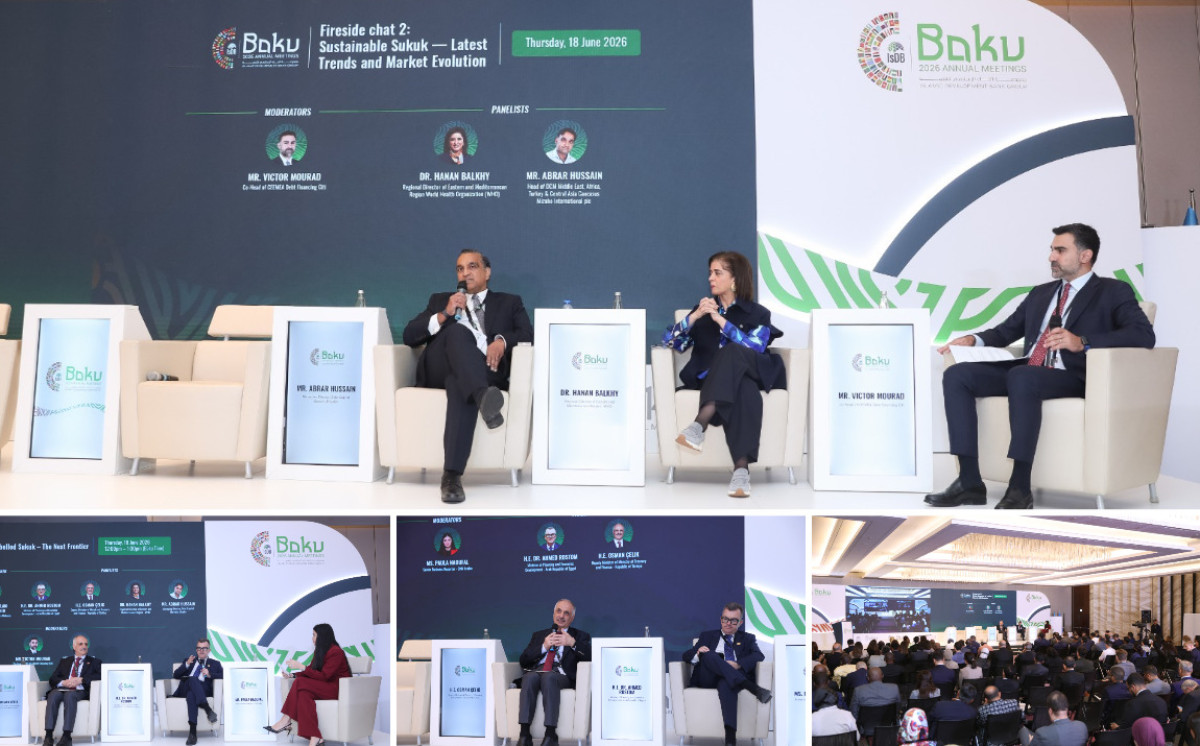
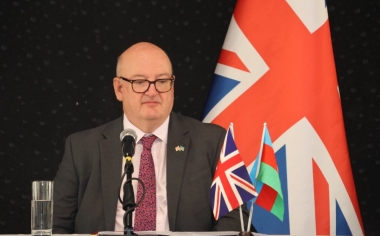
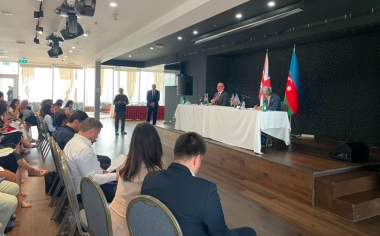
Senior policymakers, global financial sector leaders, capital market experts, development institutions, and Sukuk market participants attended a forum on “Labelled Sukuk - The Next Frontier” in Baku, Azerbaijan.
The high-profile event was organized on the sidelines of the third day of the ongoing 2026 Islamic Development Bank (IsDB) Group Annual Meetings in Baku, under the theme “Regional Integration for Sustainable Prosperity.”
The participants discussed how labelled Sukuk can support sustainable development priorities while expanding the reach of Islamic finance through global capital markets.
In 2025, labelled Sukuk market surpassed US$20 billion representing a 38 percent year-on-year growth (S&P). While this accounted for less than 10% of all Sukuk issued last year, the natural alignment between Islamic finance principles and the different labels that are geared towards positive impact and sustainability, are signs for the labelled Sukuk market to grow at a faster pace than ever before.
The event gave particular attention to the growing need for innovative financing solutions to address global climate challenges and the significant funding requirements associated with achieving the Sustainable Development Goals.
Opening the event, Dr. Abdourabbih Abdouss, Officer in Charge, Vice President Finance and Chief Financial Officer, IsDB, emphasized that Sukuk remain the primary Islamic capital market instruments for mobilizing development resources, while labelled Sukuk are creating new opportunities for investors to support specific sustainability and development priorities in line with Islamic finance principles as well as global sustainability standards.
H.E. Dr. Ahmed Rostom, Minister of Planning and Economic Development and IsDB Governor for the Arab Republic of Egypt, noted that the asset-based nature and structure of Sukuk instruments provide investors with greater visibility into the use-of-proceeds of the assets underpinning their investments, reinforcing the principles of transparency and financing real economic activities .
In the keynote address, H.E. Adnan Zaylani Mohamed Zahid, Deputy Governor of Bank Negara Malaysia, highlighted the growing importance of labelled Sukuk in supporting sustainable development objectives and strengthening the role of Islamic finance in addressing global economic, social, and environmental challenges.
The high level panelists comprised Mr. Osman Çelik, Deputy Minister at the Ministry of Treasury and Finance of Türkiye; Dr. Hanan Balkhy, Regional Director of the WHO Eastern Mediterranean Regional Office (EMRO); and Mr. Abrar Hussain, Managing Director, Debt Capital Markets, Mizuho. They examined opportunities and challenges associated with expanding the labelled Sukuk market, including regulatory frameworks, cross-ministerial coordination, issuer readiness, market awareness, reporting standards, and the development of sustainable finance ecosystems capable of supporting future growth.
The event further showcased IsDB’s experience as a frequent Sukuk issuer and its leadership in advancing Green and Sustainability Sukuk under its Sustainable Finance Framework. Speakers highlighted examples of how Islamic finance instruments can support tangible development outcomes, including regional infrastructure corridors, energy interconnections, and climate resilience initiatives.
The event concluded with a call for stronger collaboration among governments, development institutions, regulators, market participants, and other stakeholders to expand the labelled Sukuk market and enhance its contribution to sustainable development objectives.
About the Islamic Development Bank (IsDB)
Rated AAA by the major rating agencies of the world, Islamic Development Bank is the pioneering multilateral development bank (MDB) of the Global South that has been working for over 50 years to improve the lives of the people and communities it serves by delivering impact at scale. The Bank brings together 57 Member Countries across four continents, touching the lives of nearly 1 of 4 people worldwide. It is committed to addressing development challenges and promoting collaboration to help achieve the United Nations Sustainable Development Goals (SDGs) by equipping people to drive their own green economic and sustainable social progress, putting planet-friendly infrastructure in place and enabling them to fulfil their potential. Headquartered in Jeddah, Kingdom of Saudi Arabia, IsDB has 10 regional hubs and a center of excellence. Over the years, the Bank has evolved from a single entity into a group comprising: the Islamic Development Bank (IsDB), the Islamic Development Bank Institute (IsDBI); the Islamic Corporation for the Insurance of Investment and Export Credit (ICIEC); the Islamic Corporation for the Development of the Private Sector (ICD); and the International Islamic Trade Finance Corporation (ITFC).






Ən son xəbərləri səhifəmizdən də izləyin